
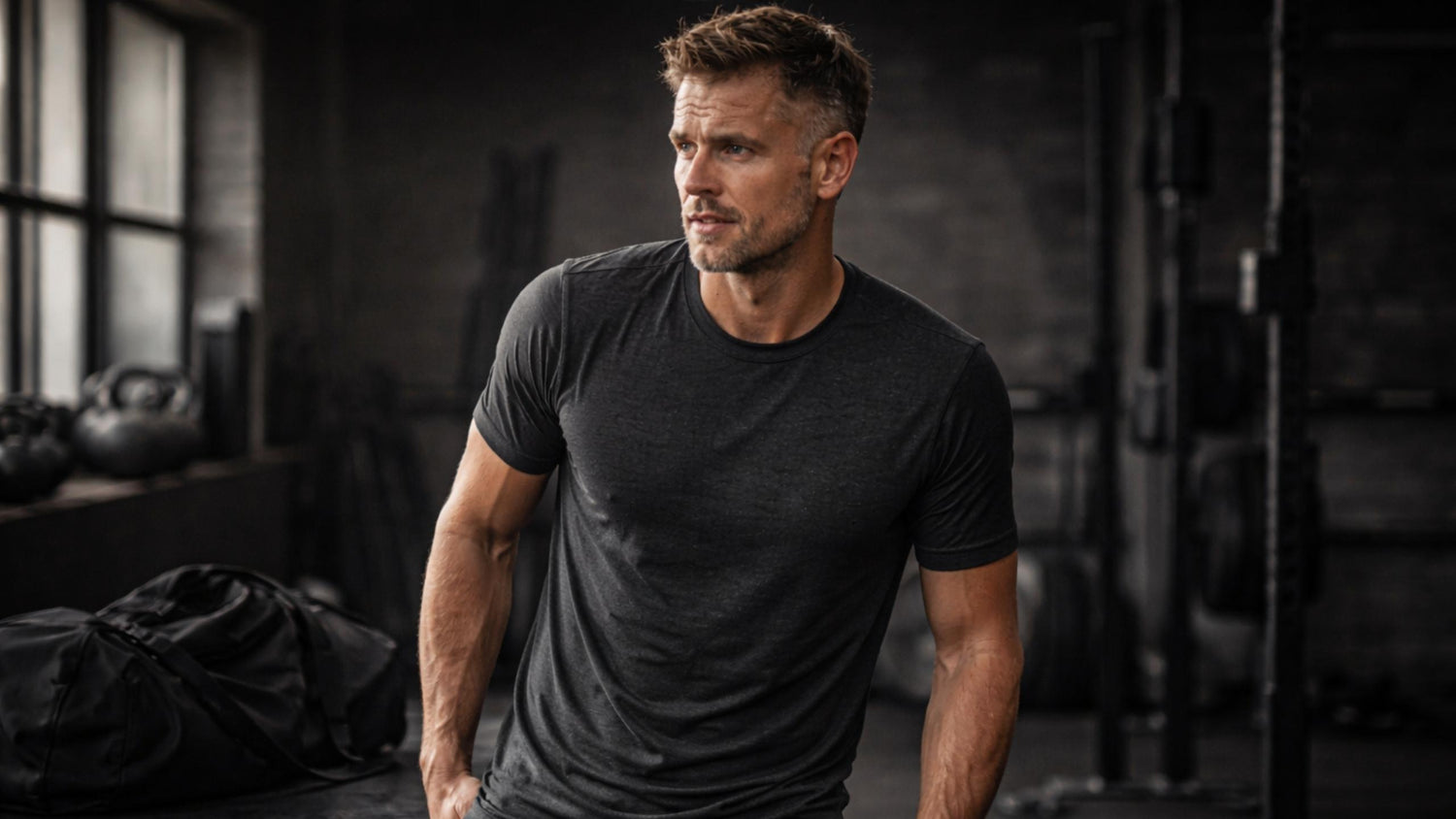
Fabric Technology
DSRT apparel is engineered to perform in demanding environments where heat, sweat, and movement push materials to their limits.
Every fabric we use is selected for a specific purpose. Some materials prioritize natural temperature regulation, while others focus on durability, stretch, and moisture management. By combining advanced textiles with performance design, DSRT gear is built to stay comfortable, structured, and reliable during training, travel, and everyday use.
PERFORMANCE FABRICS
MerinoShield™ Performance Wool
What it is
MerinoShield™ is DSRT’s reinforced merino wool fabric used in performance tees. It blends natural merino wool with reinforcement fibers to improve durability while maintaining the natural performance benefits of wool.
The fabric used in DSRT performance tees contains:
90 percent merino wool
10 percent nylon reinforcement fiber
Why it matters
Merino wool is known for its ability to regulate temperature across a wide range of conditions. It helps manage moisture, maintain comfort during activity, and naturally resist odor without chemical treatments.
Key benefits include:
Natural temperature regulation in hot and cool conditions
Moisture management that helps move sweat away from the skin
Natural odor resistance without chemical treatments
Soft next-to-skin comfort
Why DSRT reinforces merino wool
Traditional merino wool fabrics are comfortable but can be less durable than synthetic performance fabrics. By blending merino wool with nylon fibers, DSRT improves strength and abrasion resistance while maintaining the natural performance characteristics of wool.
This allows the fabric to maintain structure and durability through repeated wear and washing.
PERFORMANCE SHORTS FABRIC
DesertLite™ Performance Fabric
What it is
DesertLite™ is DSRT’s lightweight woven performance fabric used in training shorts. The material is engineered to balance durability, stretch, and breathability for high-output activity.
This fabric is designed for environments where heat, sweat, and movement place constant stress on apparel.
Performance characteristics
DesertLite™ fabric is built to support unrestricted movement while maintaining structure during demanding activity.
Key performance features include:
4-way stretch for full range of motion
Lightweight woven structure for breathability
Fast drying performance in high sweat environments
Abrasion resistance for durability
Fabric structure designed to maintain shape over time
These characteristics allow the fabric to remain lightweight while still providing durability and long-term performance.
Fabric Treatments and Performance Finishes
Performance fabrics often include treatments that improve how the material handles moisture and wear.
Examples include:
Moisture-wicking treatments that help move sweat away from the body
Quick-drying finishes that allow the fabric to dry faster after activity
Durability treatments that improve resistance to abrasion and repeated washing
These treatments help maintain comfort and performance during intense activity.
PERFORMANCE HEADWEAR MATERIALS
Performance Hat Fabrics
DSRT performance hats are constructed using lightweight synthetic fabrics designed for durability, breathability, and moisture management.
These materials are commonly used in athletic headwear because they maintain structure while remaining lightweight and comfortable during extended wear.
Typical characteristics include:
Lightweight performance polyester construction
Breathable fabric structure for airflow
Moisture-wicking properties to help manage sweat
Durable materials designed to maintain shape
Why Performance Headwear Materials Matter
During physical activity, headwear is exposed to constant sweat, heat, and sunlight. Performance fabrics help manage these conditions by maintaining breathability and resisting moisture buildup.
These materials help ensure the hat remains comfortable and functional during training, outdoor activity, and everyday wear.
BUILT FOR EXTREME ENVIRONMENTS
Designed for Heat and Movement
DSRT apparel is designed to perform in environments where materials are exposed to constant stress.
Examples include:
High heat environments
Sweat saturation during training
Repeated washing and wear
Friction and abrasion from movement
Extended wear during outdoor activity
By selecting fabrics that maintain structure and comfort under these conditions, DSRT apparel is built to withstand demanding environments.